What to Know About Japan’s Plan to Release Fukushima Water Into the Ocean_我的网站
A |
Japan as soon as this week will begin the controversial release of treated water from the Fukushima nuclear power plant into the ocean.
The Japanese government approved the plan two years ago, saying it is necessary to decommission the power plant, which is operated by Tokyo Electric Power Company. Releases will start Thursday “if they encounter no obstacles,” Prime Minister Fumio Kishida announced this week.
“I have asked TEPCO to swiftly prepare for the water discharge in accordance with the plan approved by the Nuclear Regulation Authority, and expect the water release to start on Aug. 24, weather conditions permitting,” Kishida said.
Despite pushback from neighboring nations and fishing groups, Japanese officials said the plan is safe.
What Is the Release Process?
The wastewater has gone through treatment and is stored in large tanks. Japanese officials say the water needs to be removed so the plant can be decommissioned.
The water will be diluted and released through an underwater tunnel off the coast of Japan. Officials say it will not be near areas where routine fishing occurs.
The entire process is expected to take decades.
Is the Treated Water Safe?
The release plan has been approved by Japan’s nuclear regulation agency and given the go-ahead by the International Atomic Energy Agency, the global nuclear watchdog.
The IAEA’s two-year review of the plan – which involved sampling and testing the treated water – found it to be consistent with the agency’s safety standards with “negligible” impacts to humans and the environment.
“Based on its comprehensive assessment, the IAEA has concluded that the approach and activities to the discharge of ALPS treated water taken by Japan are consistent with relevant international safety standards,” IAEA Director General Rafael Mariano Grossi said in a statement last month.
“Furthermore, the IAEA notes the controlled, gradual discharges of the treated water to the sea, as currently planned and assessed by TEPCO, would have a negligible radiological impact on people and the environment,” he added.
The agency will monitor the water’s release and have a continuous presence on-site at the discharge facility.
“This will ensure the relevant international safety standards continue to be applied throughout the decades-long process laid out by the Government of Japan and TEPCO,” Grossi said.
Nearly all radioactivity has been removed from the treated water – except tritium.
Tritium is a radioactive form of hydrogen that occurs naturally and is also a byproduct of producing electricity at nuclear power plants. It cannot be filtered out of the nuclear wastewater.
Japan plans to dilute the water to bring the level of tritium below regulatory standards. This practice is done at other nuclear power plants, including in the U.S.
One of the biggest critics of the plan is Beijing, a top consumer of exports from Japanese fisheries. Foreign Ministry spokesman Wang Wenbin recently called Japan’s decision “selfish and irresponsible.”
“In disregard of the strong concerns and firm opposition from the international community, the Japanese government announced the decision to start releasing the Fukushima nuclear-contaminated water into the ocean from Aug. 24,” Wang said during a press conference this week, according to a transcription. “This is extremely selfish and irresponsible, as the discharge will spread the risks of nuclear contamination to the rest of the world. And by doing so, Japan is putting its selfish interests above the long-term well being of the entire humanity. China is gravely concerned and strongly opposed to this.”
Hong Kong’s leader this week said the city would "immediately activate" import controls on Japanese seafood to begin on Thursday – the same day as the planned water release.
South Korean activists have also protested the plan, but Seoul recently concluded from its own study that there aren’t any scientific issues.
"Our government has judged that the Japanese side will discharge the contaminated water from the Fukushima nuclear power plant as originally planned and has determined that there are no scientific or technical problems with the planned discharge of the contaminated water," Office for Government Policy Coordination Park First Deputy Park Ku-yeon said this week.
Asked about the situation during a trilateral meeting with President Joe Biden and Prime Minister Kishida at Camp David last week, South Korean President Yoon Suk Yeol answered diplomatically but with obvious concern – assigning the issue the “highest priority” and calling for transparency.
“The Fukushima plant's treated water, if it's going to have some type of impact, it would flow through the entire Pacific Ocean having an impact not just on our three countries but all countries around the world,” Yoon said through a translator. “As such, for the sake of safety and health of the people of our three countries and all members of the international community, that should be something that we need to place the highest priority on. Regarding this treated water, based on scientific principles, all of the processing should be carried out accordingly. And at the same time, internationally recognized and reliable IAEA's investigation results are something that we can trust. And I would like to make sure that everything is conducted and carried out in accordance with the procedures established by the IAEA.”
Japan’s plan has faced strong opposition from local fishing groups.
Kishida met with leaders of the Japanese fishery industry on Monday to pledge long-term support for fishing communities.
But Masanobu Sakamoto, head of the National Federation of Fisheries Cooperatives, said his group remained opposed to the plan, even though some members have gained confidence about its safety.
“Scientific safety and the sense of safety are different,” Sakamoto said. “Even if it’s safe, reputational damage occurs.”
What Was the 2011 Fukushima Disaster?
A magnitude 9.0 earthquake off the coast of Japan triggered a tsunami that hit the Fukushima power plant, triggering meltdowns in three reactors that contaminated the cooling water.
The accident was given the highest rating on the International Nuclear and Radiological Event Scale due to the high radioactive releases from the plant.
。
B | A股三大指数今日涨跌不一,截止收盘,沪指涨0.19%,收报3889.44点;深证成指跌0.35%,收报13745.87点;创业板指跌1%,收报3397.52点。沪深京三市成交额仅1.84万亿,较昨日缩量1769亿。 行业板块多数收涨,地面兵装、装修装饰、酒店餐饮、房地产服务、一般零售、医药商业、航海装备板块涨幅居前,贵金属、能源金属、稀土板块跌幅居前。 个股方面,上涨股票数量超过4200只,70只股票涨停。创新药、CRO概念回暖,凯莱英、汉森制药、华森制药涨停;农业板块全天强势,登海种业、万向德农涨停;液冷服务器概念大幅反弹,康盛股份、英维克、金富科技涨停;零售、旅游等消费股强势,新华百货、凯撒旅业、华天酒店涨停。
D | 机构观点 中信证券:银行中报信号积极,绝对收益空间料将延续 中信证券发布研报称,上周开始进入银行财报季,上市银行经营格局稳定,息差和资产质量稳定,盈利增速小幅修复。本周开始更多银行公布业绩,预计整体情况符合预期。投资视角看,上周银行板块兼具相对和绝对收益,跑赢多数行业;展望三季度,预计息差和资产质量等核心变量将保持稳定,全年盈利修复趋势积极,叠加宏观叙事等长期逻辑仍在继续演绎,全年绝对收益仍将延续。 中金公司:超节点重塑国产算力,海外AI高景气延续 中金公司发布研报称,截至2026年8月14日,SW通信指数、通信设备板块点数较年初分别上涨36.3%、44.9%,大幅跑赢大盘。上半年海外算力链与产业链涨价行情贯穿,全球CSP资本开支上调、Token需求爆发、1.6T光模块放量及AI产业链业绩兑现共同驱动板块表现。继续看好AI算力成长主线,建议关注两大机会:1)国产算力:政策将算力提升至国家级基础设施高度,国产大模型持续迭代,超节点推动竞争从单卡性能向系统效率演进,关注服务器、交换机及液冷等环节;2)海外算力:CSP资本开支与云计算订单维持高景气,AI ASIC加速放量,800G/1.6T及scale-up光互连持续升级,关注ASIC、光模块等产业链。
E | 中信建投:全球高压电力设备加剧紧张,中国公司受益周期有望进一步拉长 中信建投发布研报称,2026年7月美国变压器价格指数再度上涨,环比提升4%左右。除原材料涨价外,供需紧张仍是涨价的重要因素。北美电网投资有望进入长期上行趋势;审批趋严+设备供给紧张下,AIDC规划数量仍维持增长,终端需求始终维持高位。
F | 海外电力设备龙头累计订单持续新高,供需失衡加剧紧张。中国公司深度获益于全球供需失衡,已步入较长出海黄金期。 银河证券:中报超预期叠加强激励指引,光模块需求长期高景气 云巨头资本开支持续加码,算力基建需求具备长期刚性支撑,光模块厂商订单饱满,结构优化:光通信的高成长性并非短期脉冲,而是建立在海外云巨头持续且加码的资本开支之上,行业供需紧平衡格局有望延续。下游旺盛需求的拉动下,光模块行业订单高度明确,高端光模块的交付能力已成为核心稀缺资源。
G | 随着AI集群带宽需求增长以及速率的进一步提升或将带动“光进铜退”进程的进一步加速,光接口向NPO、CPO演进,高毛利新品的逐步导入或将持续拉动产业链盈利中枢上移。
Current article:http://www.zangjiwuqihuncongcherua.cyou/ai166b0/ta4.pptx


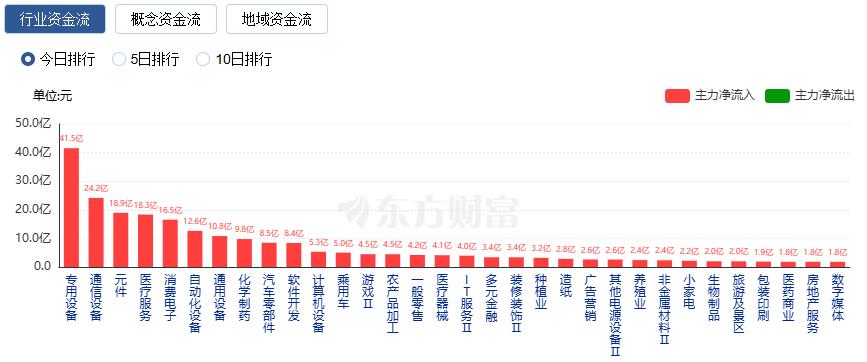 净流出方面,电池、工业金属、半导体等净流出排名靠前,其中电池净流出26.16亿元。
 今日要闻 连续4天 人民日报刊发钟才文署名文章 2026年8月22日至8月25日《人民日报》连续4天刊发的钟才文系列署名经济专论,钟才文是中央财经委员会发表重要经济专论时使用的集体笔名,专论围绕中国经济运行的核心维度展开解读。 美国重大宣布:对伊朗实施“经济孤立”新措施!伊朗强硬回应 北京时间8月25日凌晨,美国公布多项针对伊朗经济制裁,旨在切断伊朗与全球各国的经济联系。根据最新公告,美国对伊朗经济制裁范围扩大到航空、数字资产、黄金、航运和技术行业等5个领域,还对近60个实体、个人及船只实施了制裁。 美加贸易战进一步升级!特朗普:明年将加拿大汽车、钢铁等品类关税提高至50% 美国总统特朗普当地时间周一表示,美国将于2027年1月1日起,将对从加拿大进口的汽车、卡车、汽车零部件和钢铁征收的关税提高至50%。这是上周末爆发的美加贸易冲突进一步升级的最新举措。 工信部不再审批新申报的锂电产能?工信部工作人员:未在官网查询到相关信息 8月24日,一家名为“极片Lab”的自媒体发布消息称,多位产业内人士表示,下半年新申报的锂电产能已经不再审批,短期内新增产能审批基本停滞。对此,8月25日,财闻向工信部方面致电求证上述消息的真实性,接听电话的工作人员表示,未在官网查询到相关信息。 道交法修订草案新增自动驾驶汽车专章规定 8月25日提请十四届全国人大常委会会议初次审议的道路交通安全法修订草案,设置了“自动驾驶汽车的特别规定”专章,明确了自动驾驶汽车和辅助驾驶功能的概念,并明确自动驾驶汽车在自动驾驶功能激活状态下发生道路交通安全违法行为的,由自动驾驶汽车生产企业、进口企业接受处理。
 机构观点 中信证券:银行中报信号积极,绝对收益空间料将延续 中信证券发布研报称,上周开始进入银行财报季,上市银行经营格局稳定,息差和资产质量稳定,盈利增速小幅修复。本周开始更多银行公布业绩,预计整体情况符合预期。投资视角看,上周银行板块兼具相对和绝对收益,跑赢多数行业;展望三季度,预计息差和资产质量等核心变量将保持稳定,全年盈利修复趋势积极,叠加宏观叙事等长期逻辑仍在继续演绎,全年绝对收益仍将延续。 中金公司:超节点重塑国产算力,海外AI高景气延续 中金公司发布研报称,截至2026年8月14日,SW通信指数、通信设备板块点数较年初分别上涨36.3%、44.9%,大幅跑赢大盘。上半年海外算力链与产业链涨价行情贯穿,全球CSP资本开支上调、Token需求爆发、1.6T光模块放量及AI产业链业绩兑现共同驱动板块表现。继续看好AI算力成长主线,建议关注两大机会:1)国产算力:政策将算力提升至国家级基础设施高度,国产大模型持续迭代,超节点推动竞争从单卡性能向系统效率演进,关注服务器、交换机及液冷等环节;2)海外算力:CSP资本开支与云计算订单维持高景气,AI ASIC加速放量,800G/1.6T及scale-up光互连持续升级,关注ASIC、光模块等产业链。

