
小鱼儿与花无缺
New book chronicles Guangdong’s millennium of trade, tracing China’s commercial spirit_我的网站

一 | AI摘要 2026台湾学子重走科举路研习营在京落幕。台青循清代科考路线访闽皖京,通过实地探访与沉浸体验,深化两岸共同历史记忆,感受大陆发展进步。 在充满古风的音乐声中,“钦差大臣”走上舞台,宣布“科考成绩”;三名台湾青年身着古装,分别从“钦差大臣”手中接过高中状元、榜眼、探花的“捷报”,场面庄重而别致。近日,2026台湾学子重走科举路研习营活动在北京台湾会馆落下帷幕。
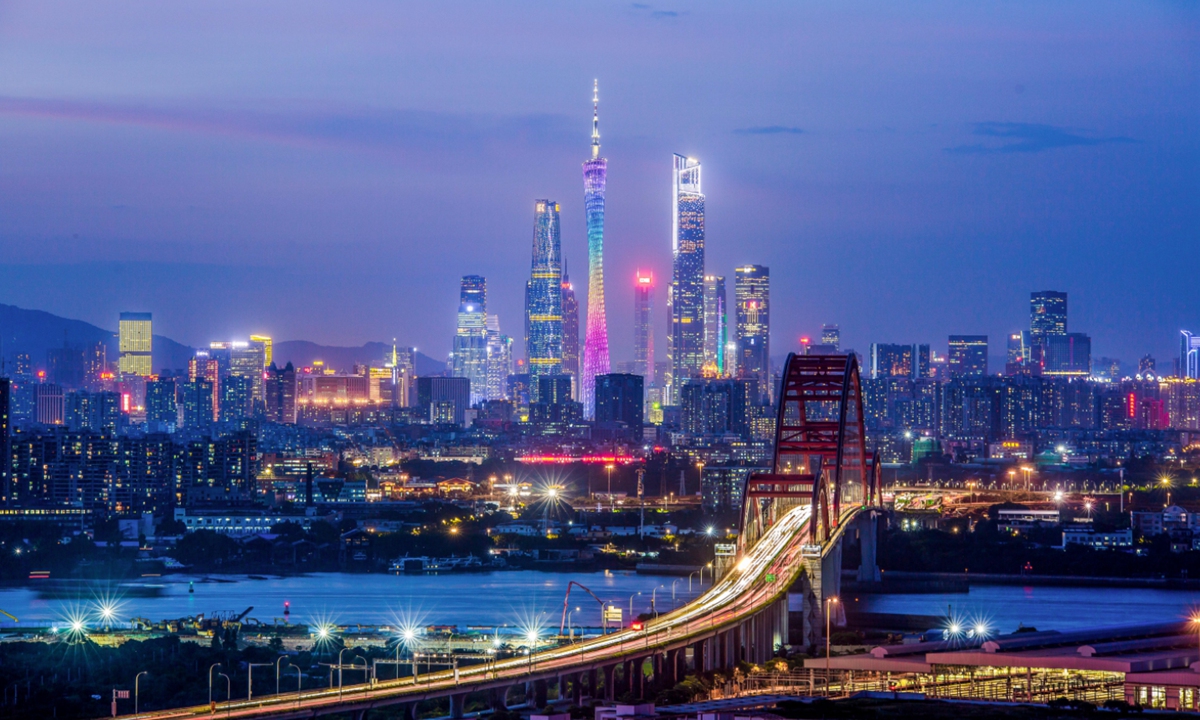
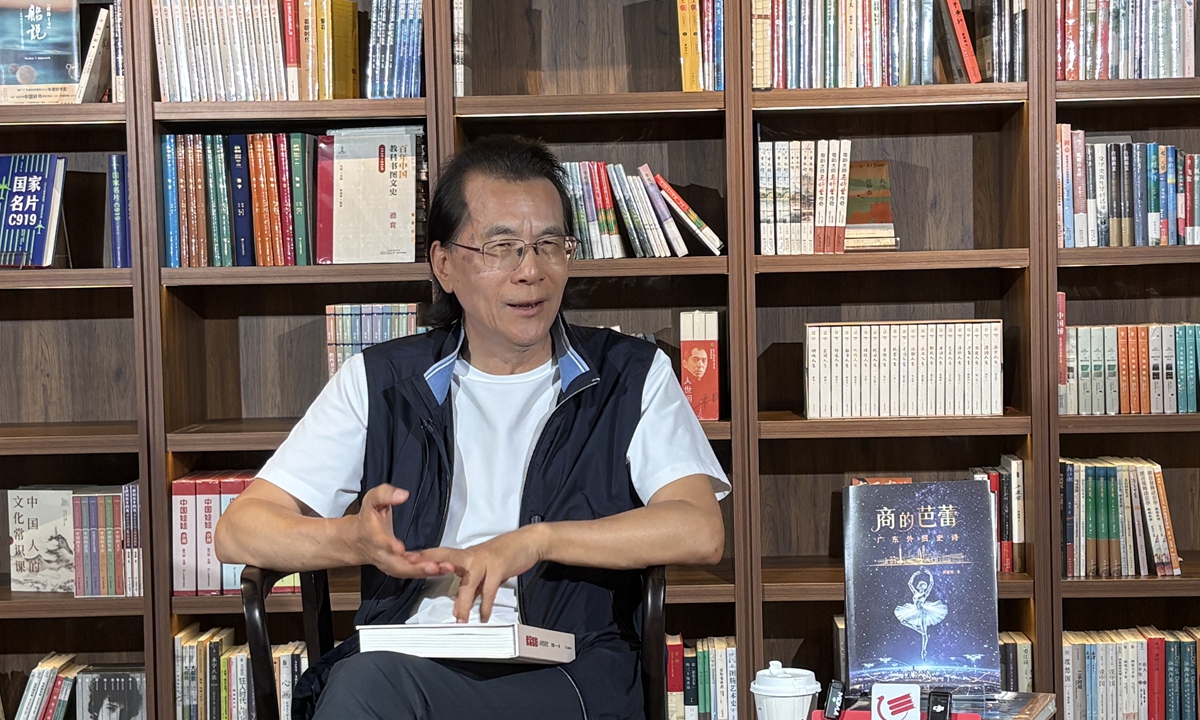
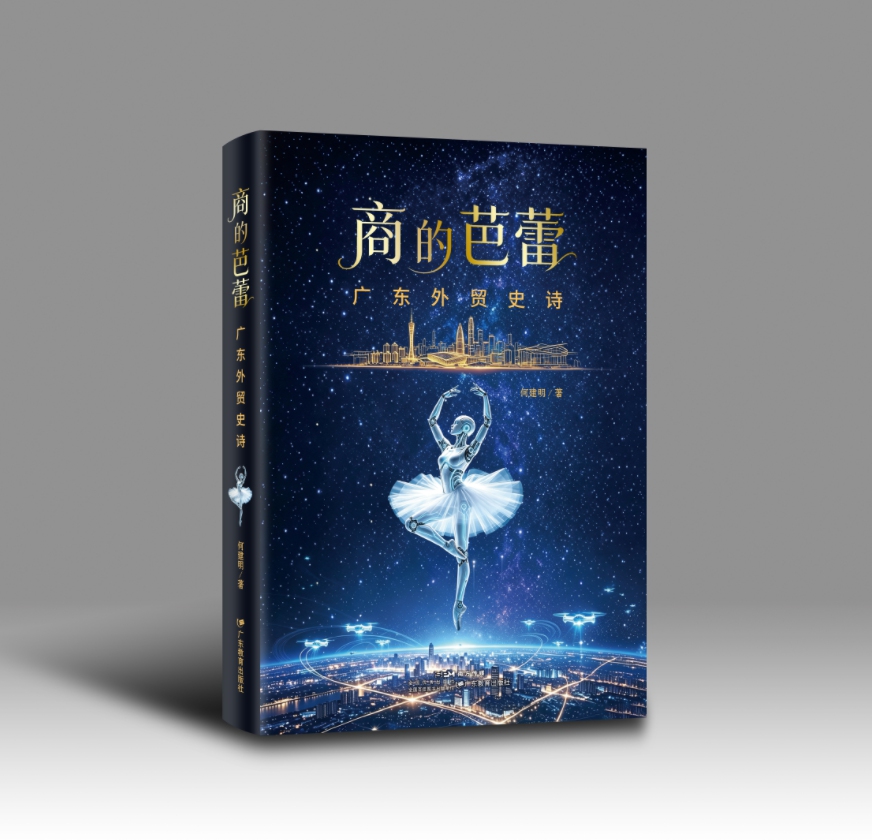
The monumental full length reportage Ballet of Commerce: The Epic of Guangdong's Foreign Trade by famous writer He Jianming is set to make its debut at the Southern China Book Fair from August 27 to 31 in Guangzhou, South China's Guangdong Province.
Published by the Guangdong Education Publishing House, the book is the first of its kind to offer a panoramic account of Guangdong's millennium of trade and will be presented as a special offering for 2026's APEC "China Year," Xu Xiaofeng, an editor with the publishing house, told the Global Times on Monday.
China will host the 33rd APEC Economic Leaders' Meeting in Shenzhen, Guangdong in November. It will be China's third time hosting the event, following Shanghai in 2001 and Beijing in 2014.
He, a former vice chairman of the China Writers Association and recipient of the Lifetime Achievement Award for Chinese Reportage Literature in 2023, told the Global Times on Monday that as the world watches the evolving trade relationship between China and the US, there is a growing need for a book that can help Western readers gain a deeper understanding of China's trading culture and how Chinese people have conducted business throughout history.
Guangdong marks the starting point of China's thousand-year maritime trade with the world. Through its foreign trade trajectory, the book reflects China's broader trade evolution, the enduring values of the Chinese spirit in the modern era, and the distinctive civilizational traits that have shaped China's rise, He noted.
Guangdong is both the birthplace of the ancient Maritime Silk Road and a pioneer of China's reform and opening-up. As a vital artery of commercial exchange between China and the rest of the world, the Maritime Silk Road has witnessed the evolution and transformation of the Chinese economy over the centuries.
During the Sui (581-618) and Tang (618-907) dynasties, silk was among the main goods transported along the route, earning it the name "Silk Road." During the Song (960-1279) and Yuan (1279-1368) dynasties, porcelain became a major export commodity, leading the route to be known as the "Porcelain Road." By the Ming (1368-1644) and Qing (1644-1911) dynasties, tea had emerged as a sought-after Chinese export in Europe, giving rise to yet another name - the "Tea Road," according to a report by the Counselor's Office of the Guangdong Provincial People's Government.
Mutual benefit
Guangdong, China's largest foreign trade province, accounts for about one-fifth of the country's total trade and imports. As a major manufacturing hub with deep and extensive industrial chains, it creates significant demand for production factors, the Xinhua News Agency reported.
In the first half of this year, Guangdong's foreign trade reached 5.49 trillion yuan ($810 billion), surpassing the 5-trillion-yuan mark for the first time in the same period on record. The figure represented a year-on-year increase of 20.8 percent and accounted for 21.6 percent of China's total foreign trade. The province contributed an additional 944.71 billion yuan in trade volume, accounting for 25.6 percent of the country's foreign trade growth, according to official statistics released in July.
Having interviewed over 100 enterprises and institutions, He said that the book revisits the enduring legacy of the Maritime Silk Road, highlighting the exchanges between China and the West and the fusion of diverse civilizations.
"At the heart of Chinese business culture is the belief that 'harmony is the most valuable.' Rooted in traditional Chinese culture, this philosophy emphasizes cooperation and mutual benefit. Rather than viewing strength as a means to overpower others, Chinese merchants have traditionally embraced the idea that prosperity should be shared. When one grows stronger, others can benefit and achieve success together. This aspect of Chinese commercial culture remains unfamiliar to many in the Western world," said the 70-year-old writer.
Wang Yuanlin, a professor at the School of Humanities Guangzhou University, told the Nanfang Plus (a Guangdong-based news platform) that mutually beneficial and fair foreign trade policies, together with Guangdong merchants' long-standing tradition of integrity and win-win cooperation, have been key factors behind the province's enduring success in foreign trade.
Elegant business
The author said that the choice of "ballet" in the book's title reflects the idea that Chinese business practices have developed into an art form - one characterized by balance and elegance.
"I want the Western world to understand that when the Industrial Revolution was just beginning and the Renaissance was sweeping across Europe, Chinese people had already mastered the art of commerce," He said.
Through conversations with entrepreneurs ranging from grassroots business founders to prominent corporate leaders such as Dong Mingzhu, chairperson of Gree Electric Appliances, He chronicles Guangdong's transformation from a millennia-old trading hub into a global industrial powerhouse.
"Just imagine: Employees at a private company can step into a space capsule after lunch and take a nap in their own private sleeping quarters. With a company like that, how could it not succeed?" he said.
From the exchange of handcrafted goods in the agricultural era to today's trade in high-tech products such as semiconductors and drones, Chinese people have developed a business culture centered on the principle that "harmony is most valuable" over thousands of years of commercial exchange.
This cultural tradition has become a key in driving the continued growth of trade in Guangdong and across China, He added.
。活动期间,营员们沿着清代台湾学子北上科考路线,从福建福州出发奔赴安徽、北京两地寻古探今。

二 | 图为营员们参观“世界文化与自然双重遗产”——安徽黄山。 “科举是两岸共同的历史记忆。清代台湾士子先渡海赴福州乡试、再进京赶考,踏出一条厚重的科举路。今天台湾学生用脚步重新丈量这条道路,也会对共同历史记忆有更深体会。”结营仪式上,全国台联副会长蔡睿勉励台湾学生说,大陆发展前景广阔,青年施展才华舞台宽广,希望大家从“赶考人”走向自己人生的“状元郎”。 实地体验“金榜题名” 鸣锣开典、文脉领航、秋闱开影、金榜题名……在福州的闽江大学校园里,两岸师生以古礼新演的创新形式演绎科考场景,一同重温当年那段跨越海峡的家国情怀与文化记忆。

三 | 不少营员表示,大家曾经在课本中了解过科举制度,也听过许多闽台两地历史文化的故事。但这次活动真正走进历史现场,能够用自己的心去感受这段跨越千年的文化记忆,十分难得。

四 | 安徽省黄山市休宁县素有“中国第一状元县”美誉,从宋至清,这里先后走出近20位文武状元。活动期间,“科举制度在台湾——台湾进士专题展”在休宁县状元博物馆开展。展览以33位清代台籍进士史料为核心实证,有力佐证台湾文脉自古深度融入中华文脉体系,彰显两岸同根同源、同文同种的历史事实。

五 | “让我印象最深刻的,是状元博物馆内学子参加乡试的复原场景。大家要在那么狭小的隔间内答题数日,还要兼顾睡觉、吃饭、上厕所等问题,非常艰辛。我对他们寒窗苦读、积极赴考的精神和毅力表示钦佩。”来自台湾的王同学表示。 在北京台湾会馆,营员们还了解了台湾学子北上科考的经历,尤其是汪春源等台籍进士在甲午战败后联合上书的壮举;在故宫博物院,营员们纷纷惊讶于建筑的气势恢宏,并亲身打卡举行“殿试”的场地,感受科考之路的艰辛与荣光。 深度了解历史文化 三坊七巷历史文化街区位于福州市鼓楼区,林则徐、沈葆桢、严复、冰心、林觉民等近现代历史上富有影响力的人物皆从这里走出。活动期间,营员们走访了三坊七巷历史名人故居,重温中国近代史上的重大时刻。 来自台湾的沈姓教师从事历史方面的教学,他曾于2019年作为学生到福州参加两岸交流活动,今年作为老师还主动邀约多名台湾青年一同参加,“只有亲身走到古时考生赶考、先贤奋斗的场地,才能真切感受到两岸共享同一段中华历史。

六 | ”他计划把此行拍摄的照片、实地见闻带回课堂,作为补充课件分享给学生,弥补当前岛内课本碎片化历史叙述的不足,帮助学生建立完整、连贯的中华历史认知。

七 | 除了参观走访,沉浸式的体验也让营员们对中华优秀传统文化有了更深刻直观的体验。在北京湖广会馆,营员们在京剧演员指导下,从学习唱念和身段,到体验脸谱与服饰,全方位感受京剧魅力。 在福州中国船政文化博物馆观赏实景演艺《最忆船政》,回望近代中国船政的光辉历史;走访位于黄山的徽州古城、宏村,领略白墙黑瓦和马头墙元素的徽派建筑之美……营员们纷纷表示,大陆许多地方都有各具特色的文化和习俗,希望以后多来走走看看,了解不同的风土人情。

八 | 感受大陆发展进步 本次活动期间,营员们在大陆多次搭乘高铁。高速平稳的运行姿态、宽敞舒适的车厢、现代智能的设备,都让大家惊叹不已。“尤其是复兴号列车,无论是外观还是各类配套设施,都让人感到舒适。”第一次来大陆的台湾高中生林同学感慨,希望回去后把此行见闻分享给身边的朋友,让他们了解大陆的真实情况。 除了高铁,大陆许多科技方面的应用都给营员们留下深刻印象。在福州,有同学在无人便利店体验了扫码进门、刷码结账的自助服务;在黄山,有同学点了外卖让送餐机器人送到房间门口。许多营员表示,下次还要到大陆观摩机器狗巡逻、搭乘无人出租车等,感受充满科技味的生活。 除了硬科技的发展,大陆同胞浓浓的人情味也让营员们感动满满。

九 | “在北京的一天晚上,我本想去琉璃厂买纪念品,却突遇大雨。

十 | 正着急时,一个叫丹丹的女孩帮我叫了网约车并付了车费。”来自台湾的曾同学感慨说,重走科举路寻到的不只是历史的记忆,更是人与人之间纯粹的善意。 北京市台湾同胞联谊会党组书记袁海鹏表示,活动结营既是一段旅程的终点,也是薪火相承的起点。希望台湾青年以文为脉,做中华文脉的传承者;以情为桥,做两岸情谊的守护者;以行致远,做两岸交流的推动者,把此次旅程的所见所闻所学所感带回台湾。(记者 柴逸扉 文/图)。
Current article:http://www.zangjiwuqihuncongcherua.cyou/bahm/20260826/63262.xls
Published on:19:59:20